
Control joints in concrete
These are essential for managing cracking and ensuring the longevity and appearance of a concrete structure. Here’s a detailed breakdown of their importance:
1/7/20261 min read
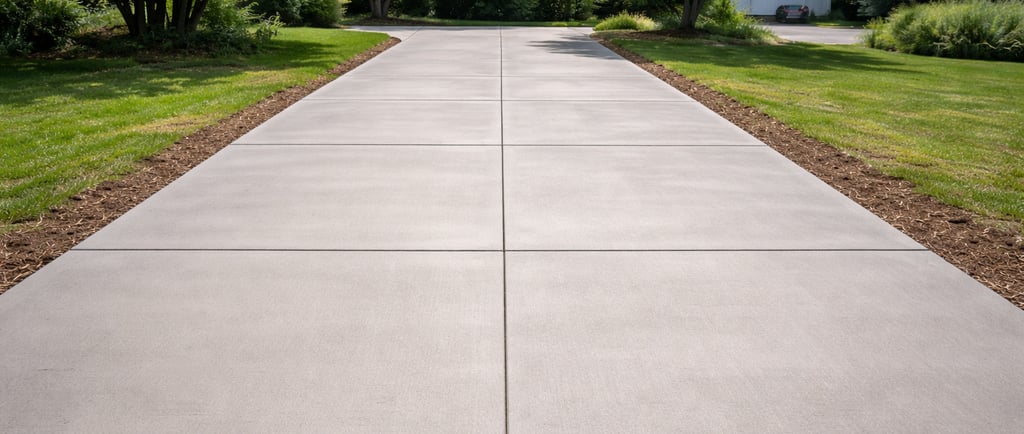
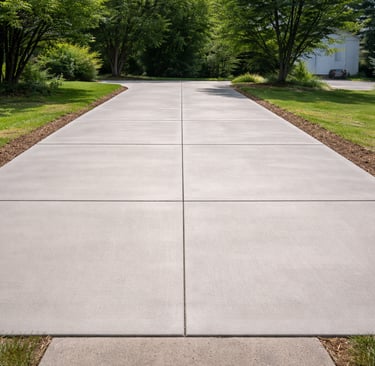
1. Crack Control
Concrete naturally shrinks as it cures and expands or contracts with temperature changes.
Without control joints, this shrinkage leads to random, unsightly cracks across the surface.
Control joints create weakened planes where the concrete is intended to crack in a controlled and predictable way.
2. Structural Protection
By directing where cracks occur, control joints reduce stress on the overall slab.
This prevents cracks from compromising the slab’s structural integrity, especially in driveways, sidewalks, and slabs-on-grade.
3. Aesthetic Benefits
Cracks in random locations are visually unappealing.
Control joints create neat, straight lines, giving the concrete a professional, finished appearance.
4. Maintenance & Longevity
Predictable cracking along joints simplifies maintenance.
If cracks occur where they’re supposed to, they are less likely to worsen, prolonging the lifespan of the concrete.
5. Cost Efficiency
Installing control joints reduces repair costs by minimizing random cracking.
A small upfront effort during installation prevents expensive patching or replacement later.
Key Takeaway:
Control joints don’t prevent cracking—they control where and how the cracks occur, protecting the concrete’s structure, appearance, and durability
PHONE: (217) 691-7277 || EMAIL: jmbuilder15@gmail.com
© 2026 Pro Style Finishes - All rights reserved.